
The Armor Served Us.
On ego, exhaustion, and the radical act of finally putting it down

There is a version of fine that is not fine at all.
I lived there for decades. And if you are reading this, there is a good chance you know exactly what I am talking about. The functioning. The achievement. The showing up. The saying the right things to the right people at the right time, while something quieter and truer inside you slowly goes dim.
That is not a strength; that is what surviving looks like when nobody ever taught you there was another way.
I am a combat veteran, a Naval Officer who served in Operation Enduring Freedom, the eldest daughter, the good girl, the high achiever who led people through war zones and had absolutely no idea how to apply any of that care to herself. My ego was not a flaw. It was survival equipment. In the military, in politics, in the boardrooms of tech and non-profit, in rooms that were never built for me and battles I never should have had to fight, it kept me standing. I am not ashamed of it. It was the only tool I had. And I used it until I had better ones.
Underneath the armor, I was numbing. Alcohol. Chaos. Food. Control. I got very good at looking fine on the outside while slowly disappearing on the inside, and the world kept rewarding me for it, so I kept going. At 30, I was diagnosed with postpartum depression. I started therapy. I took Lexapro for fifteen years. I kept showing up and performing and achieving because that was the only language I had been taught. And when a contentious divorce and a brutal custody battle cracked the foundation, I did what I knew how to do — I buried the fear under ambition, masked the shame of being a single mother in a country designed to make women feel small for it, and convinced myself that if I just proved enough, produced enough, achieved enough, the world would finally see I was not a failure.
You know that feeling. The exhausting math of performing your way to worthiness. The trying to earn what was already yours.
The ego served me until it couldn’t. And then my daughter had a mental health emergency her freshman year of high school, and something cracked open in me that has never closed back. Maybe you have a crack like that. The moment that made the performance impossible. The moment your body finally said, "Enough. I need you to pay attention now.”
That was the invitation I had been waiting for my whole life, even though it arrived in the hardest possible way.
I went inward. Fully. Finally. My body, safe enough at last to guide me, led me away from pharmaceuticals and toward the original medicine of plants. Cannabis became a tool that managed my depression and anxiety in a way that kept me present in my own life, and I am grateful, deeply and unapologetically grateful, for that access. I built a daily walking, meditation, and journaling practice, and I stopped looking outside myself for answers and started trusting the one voice that had always known the truth — my own soul.
It was my soul, not my ego, not the system, not anyone’s approval, that told me to leave a safe VP role in health tech and bet on myself. One year ago this month, during Mental Health Awareness Month, I started CoRo Consulting. Not because it was the safe choice, but because I finally understood I was worthy of the whole damn pie.
And here is what I know now, at 48, on the other side of the hardest work of my life: the system was never going to give us permission to feel. It profits from our exhaustion. It needs us performing and producing and pushing through, too depleted to demand more. According to Mental Health America's 2025 report, nearly 60 million Americans, 1 in 4, experienced mental illness in the past year. And according to the CDC, depression rates have climbed 60% over the past decade. We are not failing. We are exhausted. And we will not heal by pushing harder. We will heal by telling the truth.
This morning, my body said stop. So I cleared my calendar. I am typing this from my bed in my pajamas with a (snoring!) cat on my feet, and I feel zero shame about it. Because rest is not laziness. Rest is a mental health practice. Rest is how we stay healed enough to do the work that actually matters. My daughter went to senior prom this weekend, and I watch her now — whenever a song comes on that she loves, anywhere, any time, she dances. Freely. Without apology. Fully at home in her own body. I see the cycles breaking in real time, and that is everything.
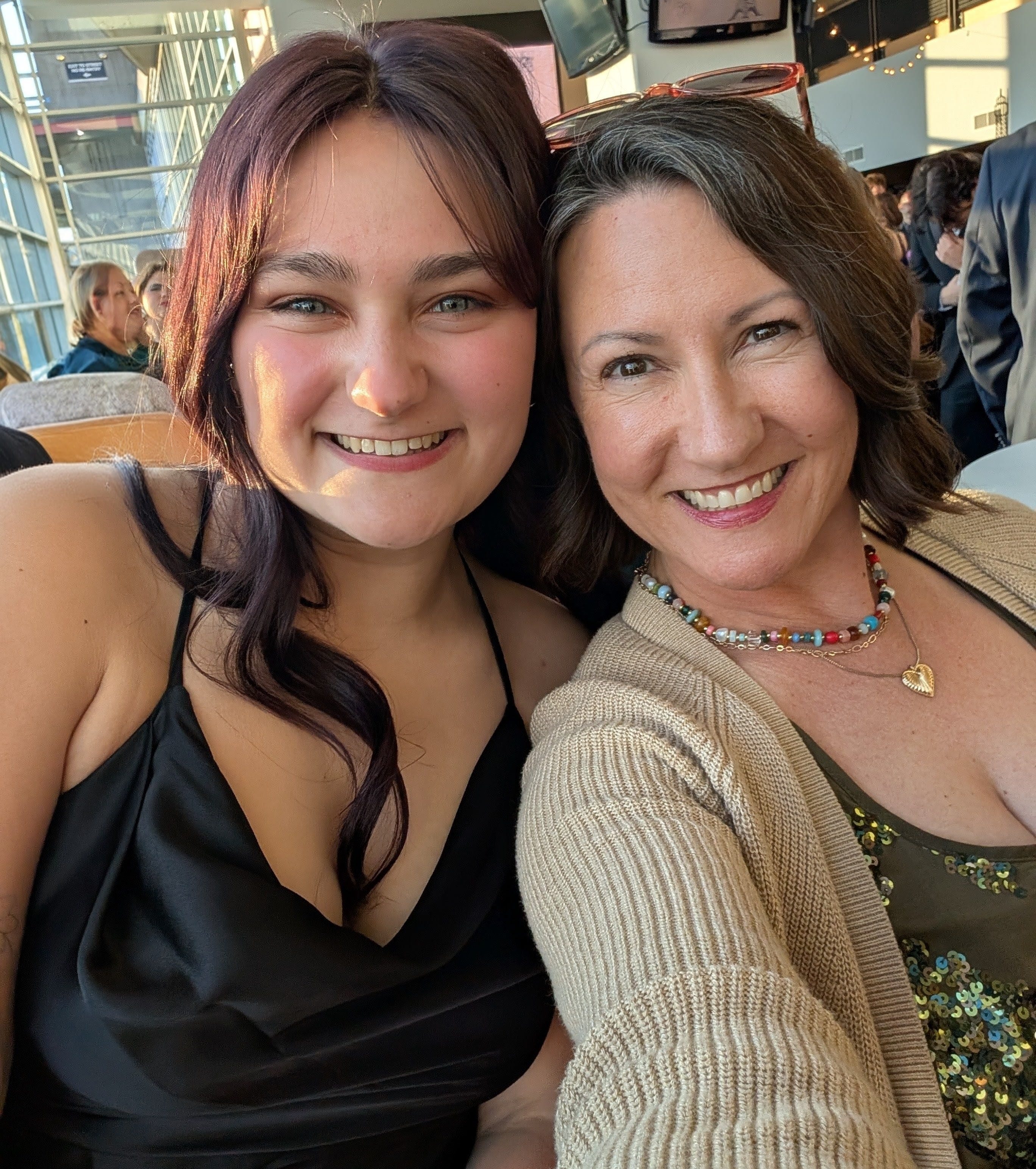
When we heal ourselves, the people around us heal. When we tell our stories, we permit others to tell theirs. When we stop performing and start feeling, we change culture at work, we decrease burnout, and we raise children who trust themselves enough to dance whenever they feel like it. That is how we destroy Crumb Culture™—one honest moment at a time.
Apply the CARE Framework™
🔍 C — Clarity: Where are you still performing instead of feeling? Name it. That is where the work begins.
🔥 A — Authenticity: What would you do, say, or build if external validation were no longer the measure?
🌟 R — Recognition: The armor served you. You survived systems that were never built for you. You are allowed to put it down now.
❤️ E — Empathy: What would it look like to offer yourself the same grace you give to everyone else, today, not after you have earned it?
✨ The Coco Code™ My ego kept me alive. My soul set me free.
📝 The Coco Note™ Write down one thing you have been waiting for permission to feel, say, or do. Be curious about it.
This month, three aligned humans get to do this work one-on-one. If you are standing at the intersection of high achievement and quiet depletion, if something still feels off even though everything looks fine, The Work is six weeks, one rewire, your original signal restored. Investment: $2,000.
Your biggest dream is not out there waiting to be earned. It is already yours.
With CARE,
Coco